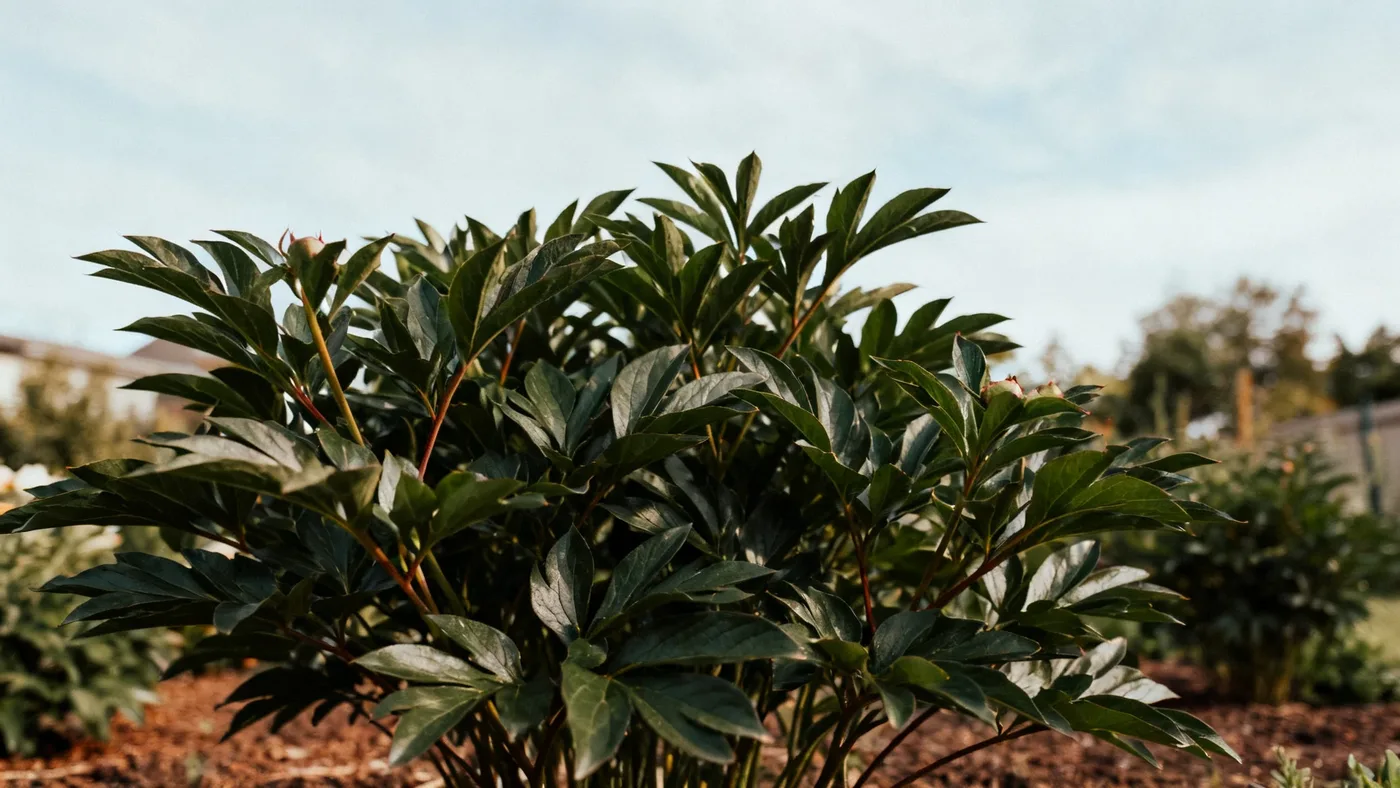
Is Karl Rosenfield Peony Toxic to Dogs, Cats or Horses?
If you have pets and are considering planting Karl Rosenfield Peony in your garden, pet safety is a valid concern. The good news: this deep red peony is mildly toxic to dogs, cats, and horses, meaning serious poisoning is unlikely. However, if your pet ingests plant material, you should know the signs and when to seek help.
General Toxicity and Safety
Is Karl Rosenfield Peony toxic to pets?
Yes, Karl Rosenfield Peony is mildly toxic to dogs, cats, and horses according to the ASPCA. The plant's toxicity is dose-dependent, meaning the amount ingested matters. Most cases of mild exposure cause manageable symptoms, but larger quantities increase the risk of more serious effects.
Which parts of the Karl Rosenfield Peony plant are toxic?
The entire plant is considered toxic, including the leaves, stems, flowers, and root material. The roots and seeds may contain higher concentrations of toxic compounds. If you are concerned about your pet accessing plant material, cover or fence off freshly planted areas where divided roots are exposed.
What makes Karl Rosenfield Peony toxic to pets?
Peonies contain glycosides and other compounds that can irritate the gastrointestinal tract. While the exact mechanism is not fully understood, these compounds are responsible for vomiting, diarrhea, and lethargy reported in pets. The toxicity is considered mild because serious poisoning cases are uncommon.
How much of the plant would a pet need to eat to get sick?
There is no universally established lethal dose for peonies in pets, as toxicity depends on the animal's size, health, and sensitivity. Generally, ingesting a small amount of foliage or flowers may cause mild gastrointestinal upset, while larger quantities increase the risk of more severe symptoms. When in doubt, contact your veterinarian or poison control.
Dogs and Karl Rosenfield Peony
Is Karl Rosenfield Peony toxic to dogs?
Yes, the ASPCA lists Paeonia species, including Karl Rosenfield, as toxic to dogs. Dogs are naturally curious and may chew on leaves or dig near roots during garden exploration. Most cases involve mild to moderate symptoms that resolve with supportive care.
What are the signs of peony poisoning in dogs?
Symptoms typically include vomiting, diarrhea, and lethargy, usually appearing within a few hours of ingestion. Some dogs may also show abdominal discomfort or loss of appetite. If your dog has eaten any part of the plant and shows these signs, contact your veterinarian promptly.
My dog ate Karl Rosenfield Peony flowers. What should I do?
Remain calm; flowers pose a lower risk than roots or large amounts of foliage. Monitor your dog for vomiting, diarrhea, or unusual behavior over the next 24 hours. If symptoms develop or you are concerned, call your veterinarian or the ASPCA Animal Poison Control Center at 888-426-4435 for guidance.
Can I safely grow Karl Rosenfield Peony with a dog in my garden?
Yes, many gardeners successfully grow peonies with dogs by using preventive measures. Fence off the peony bed or use garden barriers to restrict access, especially if your dog has a tendency to dig or chew on plants. Training your dog to avoid the area and supervising outdoor time are also effective strategies.
Cats and Karl Rosenfield Peony
Is Karl Rosenfield Peony toxic to cats?
Yes, the ASPCA lists Paeonia species as toxic to cats. Cats are less likely than dogs to chew on ornamental plants, but they may nibble on leaves or dig in the soil around newly planted peonies. Even curious young cats or indoor cats with outdoor access should be kept away from this plant.
What symptoms would a cat show after eating peony?
Cats exposed to peony may experience vomiting, diarrhea, or lethargy. Cats are sometimes sensitive to plants in ways dogs are not, so monitor closely for any change in appetite, energy level, or bathroom habits. Contact your veterinarian if symptoms persist or worsen.
My cat is an indoor-outdoor cat. How can I keep it safe?
If you grow Karl Rosenfield Peony, consider restricting your cat's access to that area of the garden during peak growth and bloom seasons. Alternatively, plant the peony in a raised bed with a protective border, or choose a fenced area where your cat does not spend time. Close supervision is essential when your cat has outdoor access.
Can an indoor cat be poisoned by a potted Karl Rosenfield Peony?
Yes, if you bring a potted peony indoors, keep it out of reach of cats. Place the pot on a high shelf, in a locked room, or in an area your cat cannot access. Even a small amount of nibbled foliage can trigger mild symptoms in a sensitive cat.
Horses and Karl Rosenfield Peony
Is Karl Rosenfield Peony toxic to horses?
Yes, the ASPCA lists Paeonia species as toxic to horses. While horses are usually less likely to graze on ornamental plants, peonies should not be planted in pastures or areas where horses have direct access to the foliage, especially in early growth stages when plants are tender.
What happens if a horse eats Karl Rosenfield Peony?
A horse that ingests peony material may experience vomiting, diarrhea, and lethargy, though the large body mass of a horse generally reduces the relative toxicity dose. Horses with sensitive digestion or those eating large quantities are at higher risk for more noticeable symptoms. Consult an equine veterinarian if poisoning is suspected.
Can I grow Karl Rosenfield Peony near a horse pasture?
It is safest to keep Karl Rosenfield Peonies well away from pasture areas and horse grazing zones. If you want to grow this plant on a property with horses, establish a fenced garden bed or keep the peony in an enclosed area horses cannot enter. Check your fencing regularly to ensure horses cannot reach over or through to the plants.
Prevention and Garden Safety
What are the best ways to prevent pet poisoning from Karl Rosenfield Peony?
The most effective prevention is physical separation: fence the peony bed, use garden barriers, or plant in a raised bed your pets cannot access. Supervise outdoor time, especially with young or curious animals, and train pets to avoid the area. If you notice your pet showing interest in the plants, redirect immediately and reinforce boundaries.
Should I remove Karl Rosenfield Peony if I have pets?
No. Karl Rosenfield Peony toxicity is mild, and many pet owners grow peonies safely using preventive measures. You do not need to remove an established plant unless your pet has already consumed it and shown severe symptoms, or your pet has unrestricted access and you cannot safely manage it.
Are there less toxic plants I can grow instead?
Yes, many ornamental plants are non-toxic to pets. Consider checking the ASPCA's website for pet-safe alternatives if you prefer to avoid any risk. However, with proper garden barriers and supervision, you can enjoy Karl Rosenfield Peony and maintain a pet-safe landscape.
Is Karl Rosenfield Peony toxic during all seasons?
The entire plant remains toxic year-round, including during dormancy in winter when foliage has died back. Exposed root material after pruning or dividing may be particularly accessible to digging pets, so keep newly worked beds monitored and protected.
Medical and Veterinary Questions
Is there an antidote or specific treatment for peony poisoning?
There is no specific antidote for peony toxicity. Veterinary treatment is supportive, focusing on symptom management such as fluid therapy, anti-nausea medication, and monitoring. Early consultation with a veterinarian gives your pet the best chance of a smooth recovery.
How long does peony poisoning last in pets?
Mild cases typically resolve within 24 to 48 hours with supportive care. Symptoms may persist longer in severe cases or in animals with underlying health conditions. Your veterinarian can provide a more accurate prognosis based on your pet's individual situation and the amount ingested.
Can peony poisoning be fatal?
Death from peony poisoning is extremely rare in pets due to the plant's mild toxicity profile. Serious cases require either massive ingestion or a pet with severe pre-existing health issues. Most poisoning cases resolve without lasting complications when treated promptly by a veterinarian.
Should I contact poison control immediately if my pet eats peony?
If your pet has ingested peony material, monitor for symptoms first. If vomiting, diarrhea, or lethargy develops, contact your veterinarian or the ASPCA Animal Poison Control Center at 888-426-4435 for guidance. Having the plant name and an estimate of the amount eaten ready will help them advise you faster.
Growing Karl Rosenfield Peony Safely with Pets
What garden design tips help protect pets from Karl Rosenfield Peony?
Plant peonies in a designated garden bed away from pet pathways and resting areas. Use fencing, raised beds, or border hedges to create a physical barrier. When you are planting or dividing peonies, temporarily fence off the area until the site is fully restored and less accessible.
Can I mulch around Karl Rosenfield Peony to make it less attractive to pets?
Mulching does not deter curious pets and may actually invite digging. Instead, use mulch in combination with fencing or barriers. A thick mulch layer around the peony base can help suppress weeds and retain soil moisture without increasing toxicity risk, as long as the bed itself is protected from pet access.
Is training my pet to avoid the area enough protection?
Training is helpful but should not be your only strategy, especially with young, old, or stubborn animals. Combine training with physical barriers for reliable protection. Recall training is valuable, but physical separation remains the most effective and stress-free approach for both you and your pet.
Quick Reference: Karl Rosenfield Peony Pet Safety Checklist
| Pet Type | Toxic? | Common Symptoms | Prevention Strategy |
|---|---|---|---|
| Dogs | Yes, mildly | Vomiting, diarrhea, lethargy | Fence bed, supervise outdoor time, redirect interest |
| Cats | Yes, mildly | Vomiting, diarrhea, lethargy | Restrict access, keep potted peonies out of reach |
| Horses | Yes, mildly | Vomiting, diarrhea, lethargy | Keep well away from pasture, use secure fencing |
| Emergency Contact | ASPCA Animal Poison Control Center: 888-426-4435 (available 24/7) | ||