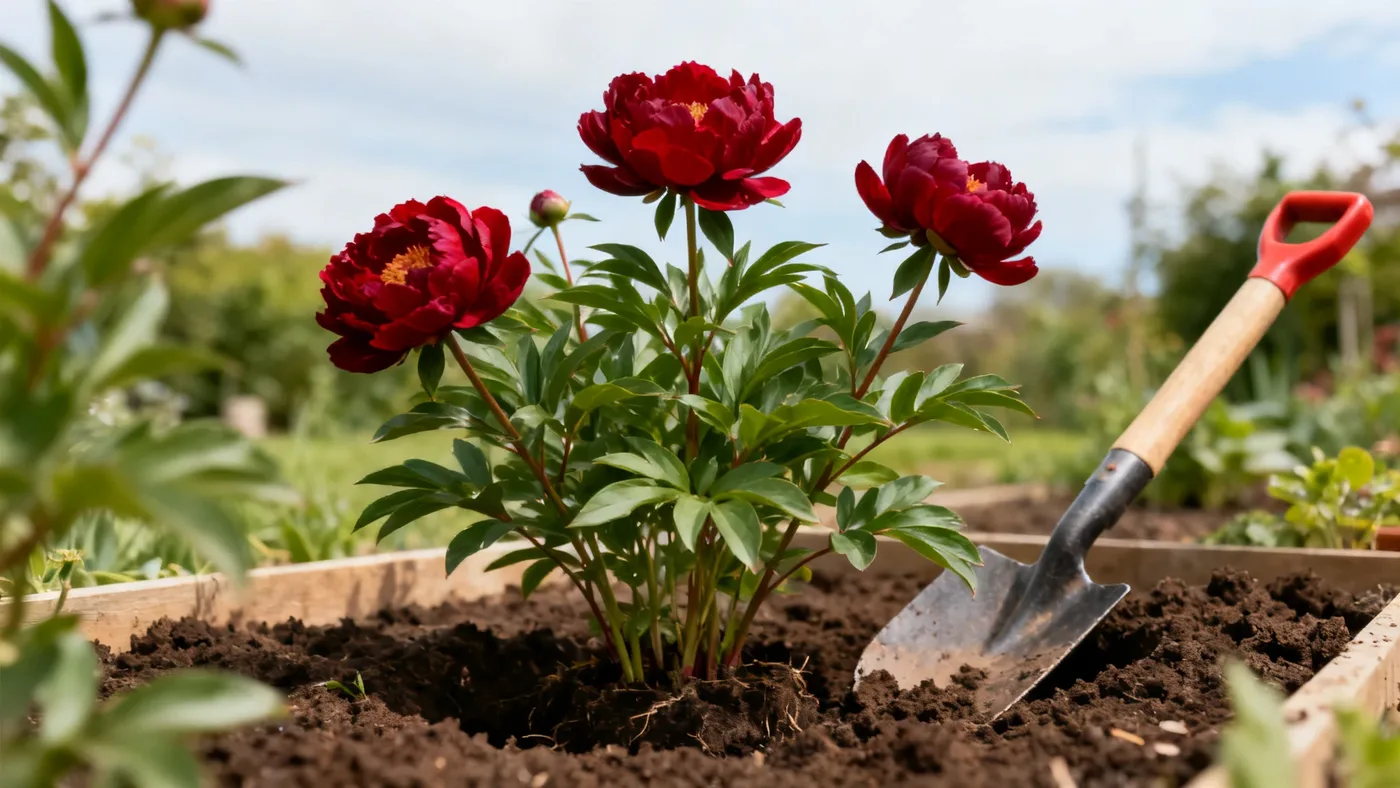
Karl Rosenfield Peony Care Guide: Planting to Blooming
Karl Rosenfield Peony stands out in any garden with its deep crimson blooms and reliable growth habit. This classic cultivar, introduced in 1908, remains a favorite among gardeners for good reason: it thrives in zones 3 through 8, blooms dependably once established, and lives for decades with minimal fuss. Whether you're planting your first peony or adding to an existing perennial bed, this guide walks you through everything from site selection to keeping your plants healthy year after year.
What You'll Learn
- Selecting the ideal location and soil conditions for Karl Rosenfield Peony
- Step-by-step planting instructions for bare-root divisions and container plants
- Watering schedules and feeding strategies that promote flowering
- Pruning and seasonal maintenance tasks from spring through fall
- How to support heavy double blooms
- Solutions for common pests, diseases, and planting errors
- Why Karl Rosenfield peonies live 50+ years with minimal division
Quick Reference: Key Facts
| Hardiness Zones | 3-8 |
| Mature Size | 28-36 inches tall, 24-36 inches wide |
| Bloom Time | Late May to early June (varies by zone) |
| Sun Requirement | 6+ hours full sun daily |
| Water Needs | About 1 inch per week during active growth |
| Time to Full Blooms | 2-3 years after planting |
| Lifespan | 50+ years with proper care |
Choosing the Right Location for Growing Karl Rosenfield Peonies
Karl Rosenfield peonies need full sun to produce abundant flowers. Aim for at least 6 hours of direct sunlight daily. In hot southern climates, they tolerate light afternoon shade, but expect reduced flowering if shading is substantial. Afternoon shade can help protect blooms from fading in intense heat, but it comes at the cost of fewer flowers.
Soil quality matters just as much as sunlight. Peonies are particular about drainage. They thrive in fertile, well-drained loam with a soil pH between 6.5 and 7.0, which is slightly acidic to neutral. If your garden sits in a low spot that collects water after rain, or if your soil is heavy clay, consider raising the bed or amending heavily with compost and sand to improve drainage. Soggy soil kills peony roots faster than almost anything else.
Space plants 3 to 4 feet apart. This seems generous when you're planting a small division, but a mature clump spreads to 24 to 36 inches wide. Good air circulation helps prevent fungal disease and keeps stems upright under the weight of double blooms. Avoid planting near walls or shrubs that will compete for water and sunlight.
How to Plant Karl Rosenfield Peony
Best Timing for Planting
Fall is the best time to plant bare-root peony divisions. Container-grown peonies can go in the ground in spring, but fall planting allows roots to establish before winter dormancy. Early fall through mid-November works well in most zones.
Preparing the Planting Hole
Dig a hole at least 18 inches deep and 18 inches wide. Mix the removed soil with compost, peat moss, or aged manure to create a loose, fertile blend. Peonies develop long, brittle roots that need soft soil to expand properly without breaking.
Planting Depth: The Most Critical Step
This is where most Karl Rosenfield peony failures begin. The "eyes" (growing buds) on the root should sit no more than 1 to 2 inches below the soil surface. Plant too deep, and the crown rots or refuses to send up shoots. Plant too shallow, and the roots dry out in winter. Create a slight mound in the bottom of the hole, spread the roots out like an octopus, and backfill so the eyes are just under the soil. Each division should have at least 3 to 5 eyes to establish quickly and bloom reliably.
Water the planting hole thoroughly to settle the soil and remove air pockets. If the crown sinks below the 1 to 2 inch mark during this process, carefully dig it out and replant at the correct depth. This step alone prevents years of frustration waiting for blooms that never come.
Watering and Fertilizing Karl Rosenfield Peony Care
First-Year Watering Strategy
During the growing season, established peonies need about 1 inch of water per week from rainfall or irrigation. In the first year after planting, water more frequently to keep the top few inches moist while roots spread into the surrounding soil. Once established (typically after the first full growing season), Karl Rosenfield peonies are moderately drought tolerant, though they perform better with consistent moisture during bloom time.
Water at the base of the plant, not overhead. Wet foliage invites fungal disease and creates conditions for Botrytis blight. Soaker hoses or drip lines work best.
Feeding Your Plants
Karl Rosenfield peonies don't need heavy feeding. In early spring as shoots emerge, apply a light application of a low-nitrogen, phosphorus-rich, or balanced fertilizer. Excess nitrogen promotes leafy growth at the expense of blooms, so restraint is key. A light handful of balanced rose fertilizer or a slow-release granular product works well. Bone meal, which is high in phosphorus, is an excellent choice at planting time.
Seasonal Maintenance and Pruning
Spring Through Bloom Time
As shoots emerge, remove any dead or damaged canes from the previous year. Once the plant reaches full height and begins flowering, you may notice ants on the unopened buds. This is completely normal and actually beneficial; they feed on nectar and often help control other pests. Leave them alone and let them do their work.
After Flowering
Once blooms fade, remove the spent flower heads to redirect energy to the roots rather than seed production. You can leave the stem itself standing until late fall, when foliage dies back naturally.
Fall and Winter Care
After a hard frost in late fall, the foliage yellows and dies back. At this point, cut all stems back to just a few inches above the ground. This cleanup prevents disease and makes spring management easier. Karl Rosenfield foliage often takes on bronze to burgundy tones before dying back, which can be attractive in the garden. No winter protection is needed in zones 3 through 8. The plant's tuberous roots rest safely below the frost line.
Supporting Heavy Blooms
Karl Rosenfield's double flowers are glorious, but they're also heavy. A mature plant loaded with blooms can flop if stems lack support. Install peony rings (circular wire supports that expand as the plant grows) in early spring before stems reach 12 inches tall. The growing stems will grow up through the support, hidden from view once the plant is full and flowering.
Stakes work too, but they're less elegant. Tie stems loosely with soft string or cloth strips. Never use tight wire, which cuts into tender growth. Good air circulation from proper spacing (3 to 4 feet apart) also helps stems stay upright throughout the season.
Troubleshooting Common Problems When Growing Karl Rosenfield Peonies
No Blooms or Fewer Blooms Than Expected
The most common cause is planting the crown too deep. Dig down and check the depth of the eyes. If they're more than 1 to 2 inches below the soil surface, carefully excavate and replant at the correct depth. It's also normal for newly planted peonies to bloom lightly the first year. Most take 2 to 3 years to reach full flowering potential. Patience pays off after you've corrected the planting depth.
Insufficient sunlight also reduces blooms. Peonies need 6+ hours of direct sun. Move the plant if it's receiving less, or wait to see if nearby trees are shading it seasonally. Flowering improves once the plant receives adequate sun.
Botrytis Blight
Cool, wet spring weather can trigger Botrytis blight, which causes buds to turn brown and fail to open. The disease thrives in high humidity. Improve air circulation by spacing plants properly and removing lower foliage if needed. Avoid overhead watering. Infected buds won't recover, but the disease usually stops spreading once drier weather arrives.
Powdery Mildew
Gray-white coating on leaves in late summer is usually powdery mildew. It's unsightly but rarely fatal to established peonies. Reduce overhead watering, improve air circulation, and prune lower foliage to increase airflow. Foliage dies back anyway in fall, taking the disease with it.
Leaf Spots
Brown or tan spots on leaves are typically fungal leaf spot caused by Cladosporium or Graphiopsis. Remove affected leaves or allow the plant to die back naturally in fall. Clean up all debris thoroughly, as the disease survives on old foliage. This cleanup prevents recurring problems in subsequent seasons.
Ants on Buds and Other Minor Issues
Ants are commonly seen on unopened peony buds feeding on nectar. They do not harm the plant and often control other pests. No action is needed. Peony scale, thrips, and root-knot nematodes are possible but rare in home gardens. Most gardeners never encounter them. If severe pest damage occurs, consult your local extension office for identification and region-specific treatment options.
Long-Term Care and the Remarkable Lifespan of Karl Rosenfield Peonies
This is where Karl Rosenfield peonies truly shine. Once established, they are remarkably durable and low-maintenance. Many gardeners report plants thriving for 50 years or more with minimal division needed. A mature peony clump actually improves with age and size, becoming more vigorous and floriferous each decade.
Every 8 to 10 years, if a clump becomes too large or you want to propagate it, you can divide it in fall. Dig the entire clump, wash away soil to expose the tuberous roots, and carefully separate into divisions with 3 to 5 eyes each. Replant at the correct depth. The parent plant will recover and re-establish in one to two seasons.
The key to longevity is good drainage, correct planting depth, and avoiding excessive disturbance. Peonies dislike being moved. Plant with the long view in mind. Once your Karl Rosenfield Peony is settled, it will reward you with reliable blooms for decades.
Timeline: Expectations for Year One Through Year Three
Plant a bare-root division in fall, and you might see a modest bloom the following May or June. Expect light or sporadic flowering in years one and two. This is normal and no cause for concern. By year three, the plant reaches its mature size (28 to 36 inches tall and wide), and flowering becomes reliable and abundant. The growth rate is moderate, so this gradual increase in blooms is expected and healthy.
Once your plant settles in and blooming becomes regular, deadhead spent flowers to keep energy directed to the roots. Your reward is decades of reliable crimson blooms and glossy dark green foliage that emerges fresh every spring.
Seasonal Care Checklist
| Task | When | Details |
|---|---|---|
| Planting | Early fall (bare-root) or spring (containers) | Plant eyes 1-2 inches deep, space 3-4 feet apart, ensure well-drained loam |
| Watering | During active growth (spring through June) | About 1 inch per week; water at base, not on foliage |
| Fertilizing | Early spring as shoots emerge | Light application of low-nitrogen or balanced fertilizer only |
| Support Installation | Early spring (before stems reach 12 inches) | Use peony rings or stakes for heavy double blooms |
| Deadheading | After flowering ends (late June) | Remove spent blooms to redirect energy to roots |
| Fall Cleanup | After hard frost (late fall) | Cut foliage back to a few inches above ground |
| Division (optional) | Fall, every 8-10 years if desired | Dig clump, separate into divisions with 3-5 eyes each, replant at correct depth |
| Expected Full Bloom | Year 2-3 after planting | Most take 2-3 years to reach full flowering potential |