Karl Rosenfield vs Red Magic Peony: Bloom, Habit and Care
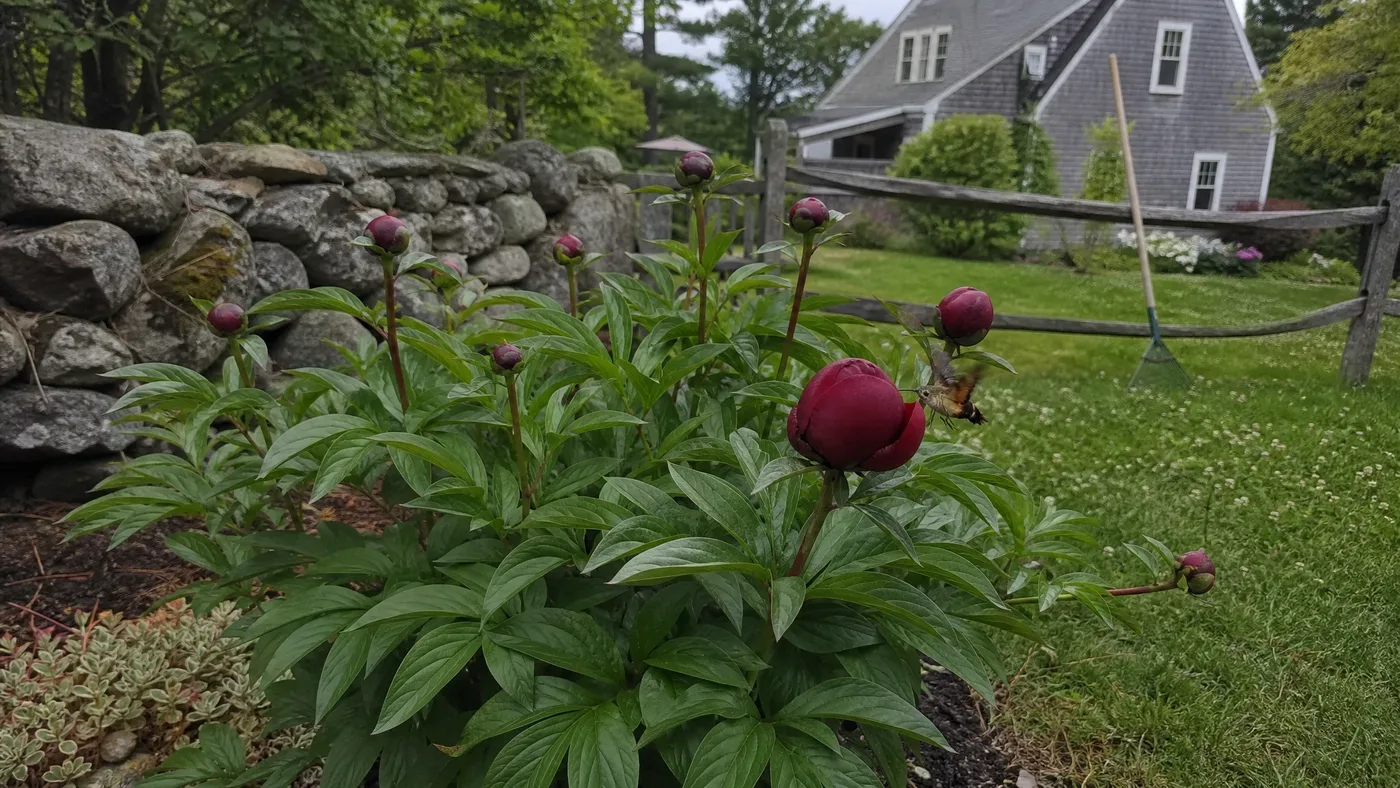
Most people assume two dark red double peonies will behave the same once they are in the ground. Standing at a hedgerow edge at dusk, watching moths work a heavy red double, we find ourselves asking a different question: which of these two would this particular patch of ground actually favor?
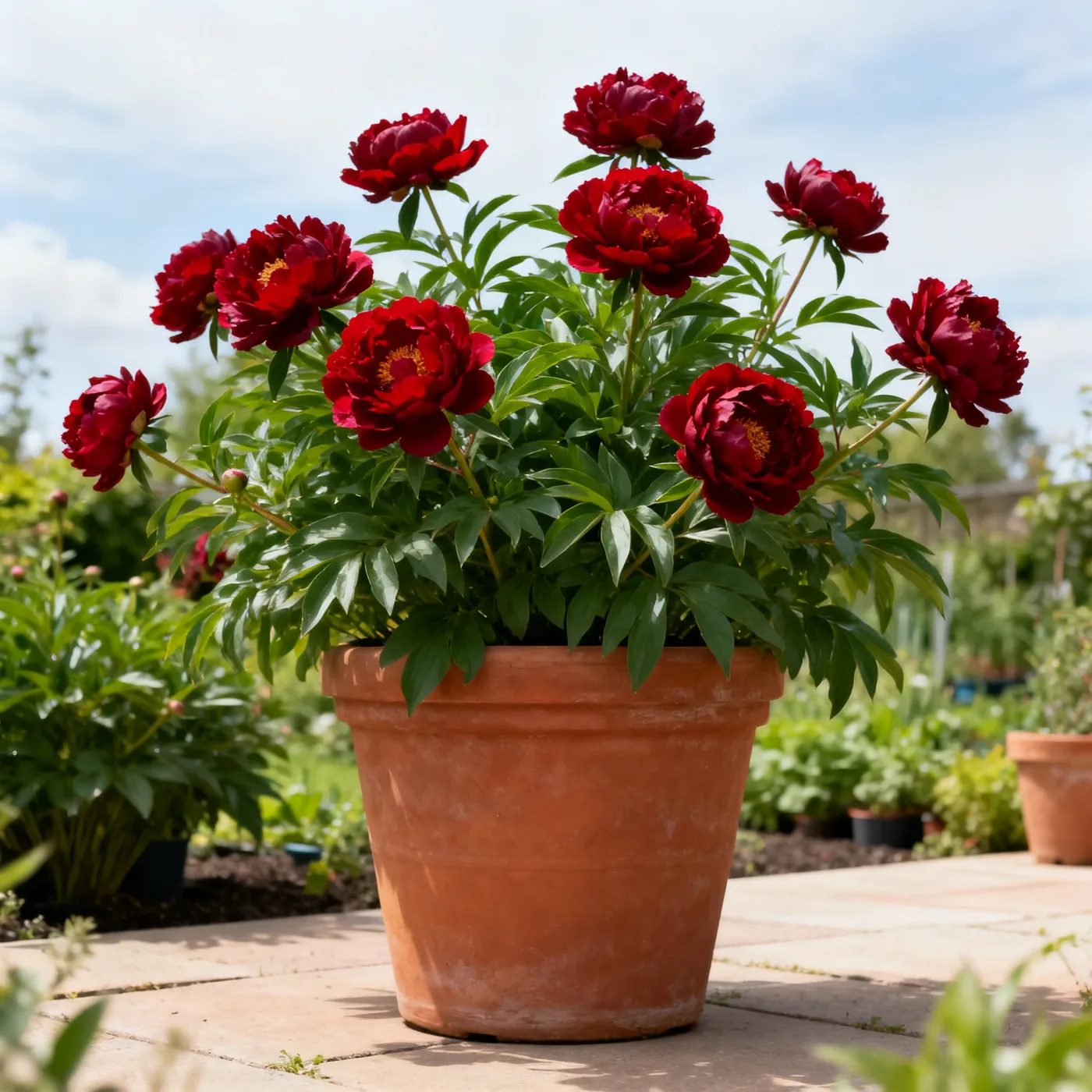
Karl Rosenfield and Red Magic look like near twins in a catalog photo. Out in the bed they differ in the shade of red, the shape of the clump, the winters they are known to handle and the upkeep they ask of you. Those differences are small enough to miss and large enough to matter over the decades a peony stays put.
This guide covers everything you need to know about choosing between them, from soil and color to cold, wildlife and staking. Each section ends with a decision, so by the last one you will have a pick.
Which Red Double Suits Your Garden's Soil?
Read the ground the way you would read a habitat. Look at what already grows there, how fast water leaves after a storm, and how many hours of direct sun reach the spot. Peonies are plants of open, well-lit ground, and a hedgerow edge that looks like a natural home often is not.
The species Paeonia lactiflora wants deep, fertile, humus-rich soil that stays moist but well drained. Karl Rosenfield is a lactiflora cultivar that does best in full sun. Herbaceous peonies also prefer slightly acidic soil, pH 6.0–7.0.
We cannot tell you from the sources that Red Magic is fussier about soil. What we can say is that a spot with standing water or stagnant air gives leaf and wilt diseases an easier start.
Reading Your Own Ground
- Dig a hole a foot deep, fill it with water and time it. If water is still sitting there the next morning, the spot is too wet for either peony until you raise the bed.
- Count direct sun hours in June. Six or more is the target, and a bed that gets less will cost you flowers whichever one you plant.
- Note whether wind moves through. Still, damp corners behind hedges invite leaf disease.
Our pick here: if your site is sunny, loamy and drains well, you can plant either. If it is borderline, plant Karl Rosenfield, because its record in ordinary garden beds is longer. Our soil, drainage and pH guide covers how to fix a marginal spot.
Karl Rosenfield Peony Color Against Red Magic Pigment
Both are called red, and both carry a lot of petals, but the red is not the same. Red Magic produces large, densely double, deep reddish-pink flowers in late spring and early summer. That wording matters. There is pink in that red, and in cut-flower terms it reads warmer and a little softer.
Karl Rosenfield is the classic red of the old cottage garden. It opens as a full, rounded bomb double, with the petals packed into one dome rather than ruffling outward around a visible center. Illinois Extension lists the bloom period for peonies as May to June, which fits what we see in the rows.
Put the two beside a white fence or a blue-gray foliage plant and the difference shows. A true red looks formal and deep against green. A reddish-pink sits more easily beside rose, plum and silver.
Fragrance and exact petal counts are not in the sources we trust, so we will not rank them here. For how long Karl Rosenfield holds its color and how the flower matures, see our bloom time and color guide.
The choice: if you want the red that old gardens and florists mean when they say "red peony," choose Karl Rosenfield. If your palette leans toward rose and warm pink, Red Magic is the better fit.
Choosing Between Karl Rosenfield Peony and Red Magic Habit
A peony takes years to reach full size, so you are really choosing the clump you will have in year five. The sources give us enough to compare the two in a handful of lines.
| Trait | Karl Rosenfield | Red Magic |
|---|---|---|
| Height | Species range 1–3 feet | Around 3 feet |
| Shape | Mounded | Clump-forming |
| Foliage | Deep green, full leaf mass | Leaves divided into narrow leaflets |
| Bloom window | May–June | Late spring to early summer |
The numbers are close, and that is the honest finding. Neither is a tall plant by border standards. The difference is in character. Karl Rosenfield forms the rounded mound that suits a bed edge or a row along a path. Red Magic has narrow leaflets, which suggests a finer, lighter leaf texture, though we would not promise more than that.
Spacing is the same either way. Plant peonies 3 to 4 feet apart, and crowding them shortens the air flow that keeps leaf disease down.
The choice: if you have a defined space and want a dependable, mounded plant, choose Karl Rosenfield. If you have room to experiment and like a finer leaf, Red Magic will fit. Our size and growth guide shows what to expect from Karl Rosenfield year by year.
Pollinators and Ants on Karl Rosenfield Peony Buds
Look closely at a swelling peony bud in late spring and you will often find ants walking over it. They are after the sugary secretions the bud produces, and they come with nearly any garden peony, Karl Rosenfield included. We would expect Red Magic to draw them the same way, though our sources do not address it.
Customers usually ask us whether the ants are harming the plant or whether they are needed to open the flowers. Neither is the case. The buds open fine without them, and the ants leave once the flower unfolds.
Bees and other visitors are a different matter, and here the flower form decides. A tightly packed bomb double hides its center, so little pollen is available to bees. If you want a bed busy with pollinators, a double peony of either kind is not your best plant, and you should pair it with open-flowered neighbors for the insects.
Moths at dusk, the sight that started this guide, come to the scent and the pale glow of a big flower rather than to a food source. They will visit either red.
The ants matter if you cut stems for the house. Shake them off outdoors and let the buds be, or bring them in once the bud is soft and showing color.
The choice: for wildlife value, the two are close to a draw. Plant either for the cut flowers and the dusk visitors, and put your pollinator effort into the plants around them. Our guide to peony pests and problems covers the insects that do cause harm.
Cold Winters Decide the Karl Rosenfield Peony Question
Herbaceous peonies need a real winter. The plant dies back to the ground, rests, and sets its flowering buds on the cold. That is why they are plants for northern and middle gardens and struggle where winters stay mild.
Karl Rosenfield is hardy in zones 4 to 8, and herbaceous peonies as a group do best in zones 5–7 but can grow in zones 3–8. The sources give no chill-hour count for either plant, so ask your local extension office what your winters supply.
For Red Magic, we found no hardiness rating in the sources we trust. That is a real gap, and we will not guess at it. If you garden near the cold edge, in zone 4 or colder, ask the seller for a written zone before buying it.
Cold Edge and Warm Edge
At the cold end, a peony is rarely killed by the freeze itself. What hurts is a late frost on young red shoots, and these usually recover. At the warm end, the trouble is too few cold nights and a plant that leafs out but gives few flowers.
The choice: if your winter lows reach zone 4 or below, choose Karl Rosenfield, which has a documented rating. In zones 5 through 7 either is a fair bet. In the warm edge of zone 8, expect modest results from both.
Decide How Much Staking You Will Tolerate
A double bloom is heavy, and rain makes it heavier. A dense head of petals on a stem about three feet tall will lean when wet. That is true of both of these plants, and we see it every June in the rows after a storm.
Plan on support for either one. A grow-through hoop set early, when the shoots are a hand high, costs you five minutes and saves the stems. Staking after the flowers have flopped never looks right.
Here is where the two plants ask for the same work, and where a few differences show up.
| Task | Karl Rosenfield | Red Magic |
|---|---|---|
| Support | Hoop or cage in spring | Hoop or cage in spring |
| Deadheading | Clip spent blooms | Clip spent blooms |
| Fall cutback | Cut to the ground | Cut to the ground |
| Disease watch | Leaf blotch, botrytis | Peony wilt, leaf blotch |
We advise cutting both plants to ground level in autumn to remove dead foliage and lower the risk of disease. Our pruning guide gives the timing.
Disease is the one place the sources tilt. Red Magic can suffer from a virus, honey fungus, Verticillium wilt, leaf blotch and peony wilt. That is a longer list than we would like, though it does not mean you will see all of them.
The choice: if you want the least fuss, choose Karl Rosenfield. If you do not mind watching for disease and keeping the bed clean, Red Magic is manageable.
Karl Rosenfield Peony or Red Magic, Settled by Site
Put the six choices together and the verdict follows the ground. Here is how we would sort it for the people who ask us.
- Cold winters, zone 4 or lower: Karl Rosenfield, on its documented hardiness.
- Classic red, cut flowers, a mounded border plant: Karl Rosenfield.
- Rose and warm-pink palette, room to spare, a well-drained sunny bed: Red Magic.
- Damp, still or partly shaded spot: neither yet. Improve the site first, then choose Karl Rosenfield.
If we had to plant one red double for most gardens, it would be Karl Rosenfield. It has the longer record, a clear hardiness rating and a form that has been loved for generations. Red Magic is a good plant with a distinct color, and we would choose it for the palette, not for easier care.
When you have chosen, our planting guide walks through depth, spacing and the first year. The most common mistake with peonies is planting too deep, and it applies equally to both.
One Evening Before You Order
Karl Rosenfield wins on cold hardiness and classic red color. Red Magic wins on a warmer, pinker red and a finer leaf. Both want sun, drainage, support and an autumn cutback, and both reward the patience of the first few years with cut flowers for decades.
Before you order, walk the planting spot at dusk and let what lives and grows there tip the choice.
Karl Rosenfield Peony
Nursery-grown Karl Rosenfield Peony in sizes from 2 Gallon, shipped to your door.
From $62.95
Shop Now →Our growers watch for the same things on Karl Rosenfield every year, from the first red shoots in spring to bud set, storm lean and the autumn cutback. We grow it on our own farms in full sun, which is how we know what a good spot looks like, and we grow and sell top-quality plants as a small business. When you are ready to plant, we would be glad to have you take a look.