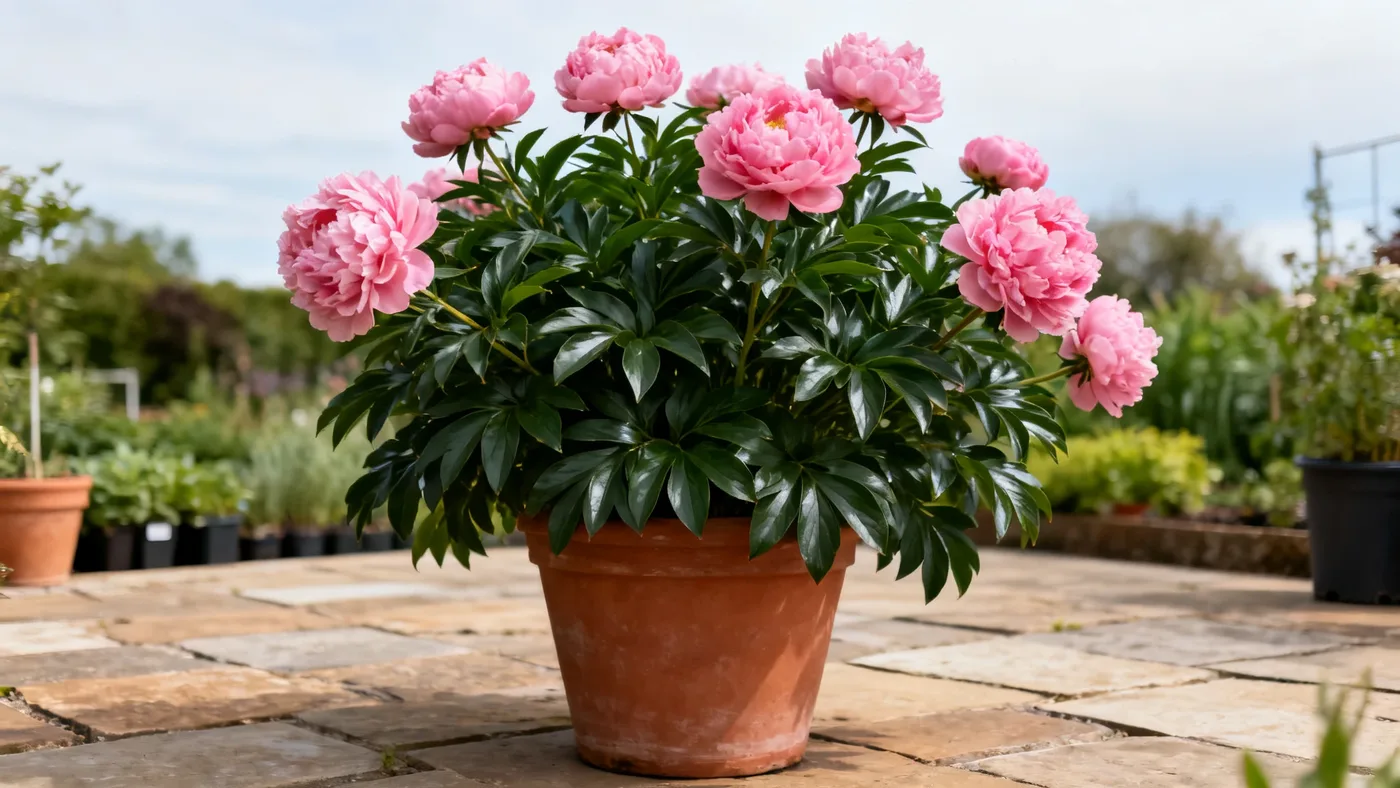
Karl Rosenfield Peony Buying Guide: Bare Root vs Potted
Karl Rosenfield Peonies are herbaceous perennials that reward gardeners with decades of deep crimson blooms. Whether you choose bare root or potted depends on your climate, timeline, and planting season. This guide walks you through what to look for, quality indicators, and where to buy this classic cultivar with confidence.
What You're Buying: The Karl Rosenfield Cultivar
Karl Rosenfield (Paeonia lactiflora 'Karl Rosenfield') is a deep red double peony bred in the U.S. in 1908. It's hardy in USDA zones 3-8 and matures to 28-36 inches tall and 24-36 inches wide over 3-4 growing seasons. The plant produces light, mild fragrance and blooms in late spring to early summer (May-June, depending on your zone).
Nursery-grown Karl Rosenfield plants are typically sold in quart, #1 (one-gallon), or #3 (three-gallon) containers, or as bare-root divisions. Bare-root means the peony was dug from the field, soil was washed away, and the roots are dormant. Potted means the peony was grown in a container or recently transplanted into one for sale.
Both formats work. The key difference is timing, cost, and the condition of the roots you inspect at purchase.
Bare Root vs Potted: The Key Differences
Bare-root peonies are harvested in fall (best time to plant peonies) and sold dormant. The root system is fully visible for inspection. They ship lighter and occupy less space. They're typically less expensive and allow you to see exactly what you're getting before planting.
Potted peonies are container-grown or transplanted into soil and nursery pots. They can be planted in spring or fall. The soil protects the roots, and the plant may already be established or actively growing when it arrives. There's less transplant shock, but the root structure is hidden until you remove the plant from the pot.
Bare-root divisions are best planted in fall (September through November, depending on zone). Potted peonies have more flexibility: plant in spring after frost danger passes, or in fall. Spring planting of potted stock reduces the risk of frost damage to new shoots.
Quality Indicators: What to Look For
For bare-root divisions: Each division should have 3-5 eyes (small pink or red buds on the crown). The eyes should be firm, not withered or black. The roots should be plump and pale, not shriveled, soft, or moldy. A healthy root system will have multiple thick roots, each 4-6 inches long or more. Avoid divisions where roots are broken, slimy, or show signs of fungal growth.
For potted peonies: The crown (where stems emerge) should be visible at or just below soil level, not buried deep. Planting too deep is the number one reason peonies fail to bloom. Check that the pot drains freely: tip it slightly and confirm water runs out. Inspect the soil: it should be moist, not waterlogged or dust-dry. Look for green growth or healthy red shoots if the plant is actively growing. Avoid pots where the soil is caked, roots are circling the surface, or the crown is buried under inches of soil.
In both cases, avoid plants with visible disease: dark spots, mold, or stems that are mushy or black. The peony should be solid, not lightweight or hollow.
Comparing Key Features
Crown depth: Non-negotiable. The eyes should sit no more than 1-2 inches below the soil surface after planting. Deeper planting prevents flowering. Inspect this closely on potted specimens: if soil covers the crown, ask the nursery if they can adjust it before purchase, or be prepared to rake soil back after you plant.
Root vigor: Bare-root divisions with thick, numerous roots establish faster than those with thin or few roots. Potted specimens should show no girdling roots (roots circling the inside of the pot, which girdle and kill the plant over time). Gently tip the pot: roots should be contained, not escaping aggressively from drainage holes.
Plant age: Bare-root divisions are typically 1-3 years old when sold and may not bloom until their second or third season after planting. Potted specimens may be older and more established, but age alone doesn't guarantee full flowering in year one. Expect light bloom the first year after planting; full flower production takes 2-3 years.
Condition on arrival: Bare-root divisions should arrive dormant, clean, and dry. Potted peonies should arrive with moist (not soggy) soil and no wilted growth. Check the packaging: it should prevent drying during shipping.
Top Pick Categories
Best for fall planting and budget-conscious buyers: Bare-root divisions with a clear crown (3-5 eyes visible) and a healthy root system of 3-4 thick roots. These establish well in their natural season and allow full inspection before planting. Fall is the prime window for bare-root peonies.
Best for spring planting or first-time growers: Potted #1 or #3 containers from a nursery with strong planting instructions and transparency. The established soil and roots reduce transplant stress. Avoid potted peonies planted too deep in their containers; ask the nursery about crown depth before buying.
Best for visible results in year one: Potted specimens that are 3-4 years old or larger (typically #3 containers), with active green growth and a flush of healthy roots at the pot's base. These may light-bloom the first season, though peak flowering still takes 2-3 years.
Red Flags to Avoid
- Bare-root divisions with fewer than 3 eyes: slow establishment and delayed blooming.
- Bare-root roots that are soft, blackened, or smell musty: signs of rot or fungal disease.
- Bare-root divisions that arrive pre-packaged in damp moss or soil: higher risk of mold during dormancy.
- Potted peonies with soil covering the crown by 3 inches or more: will likely fail to bloom, no matter how healthy the roots.
- Potted peonies with wilted foliage or bone-dry soil: indicates poor handling or stress.
- Roots circling tight inside the pot: the plant is root-bound and may never establish properly.
- No clear labeling or source: reputable sellers provide cultivar name, zone hardiness, and guidance on establishment.
Where to Buy Karl Rosenfield Peonies
Karl Rosenfield is a classic American cultivar, so it's available from specialty peony nurseries, mail-order perennial growers, and some regional garden centers. Specialty nurseries often offer bare-root divisions in fall and potted plants in spring. Regional growers may carry them seasonally.
Check seller reviews for shipping quality, crown planting depth, and root condition on arrival. Ask whether divisions are field-dug or propagated, and whether there's guidance if the plant takes time to establish. Reputable sources provide clear information and are responsive to questions.
For detailed planting and care after purchase, see our Karl Rosenfield Peony care guide. It covers site selection, soil preparation, spacing, watering, and common issues. This is essential reading before planting, especially if you're new to peonies.
Quick Reference: Bare Root vs Potted
| Aspect | Bare Root | Potted |
|---|---|---|
| Best planting season | Fall (Sept-Nov) | Spring or fall |
| Root visibility | Fully exposed; easy to inspect | Hidden; inspect pot for circling roots |
| Shipping weight | Light; lower shipping cost | Heavier; higher shipping cost |
| Crown depth risk | Low; you control planting depth | Higher; check before buying |
| Transplant shock | Moderate; dormancy reduces stress | Lower; roots already in soil |
| Bloom expectations (year 1) | Light to none | Possible light bloom |
| Full-size blooms (years 2-3) | Yes, if planted correctly | Yes, if planted correctly |
| Lifespan when established | 50+ years | 50+ years |