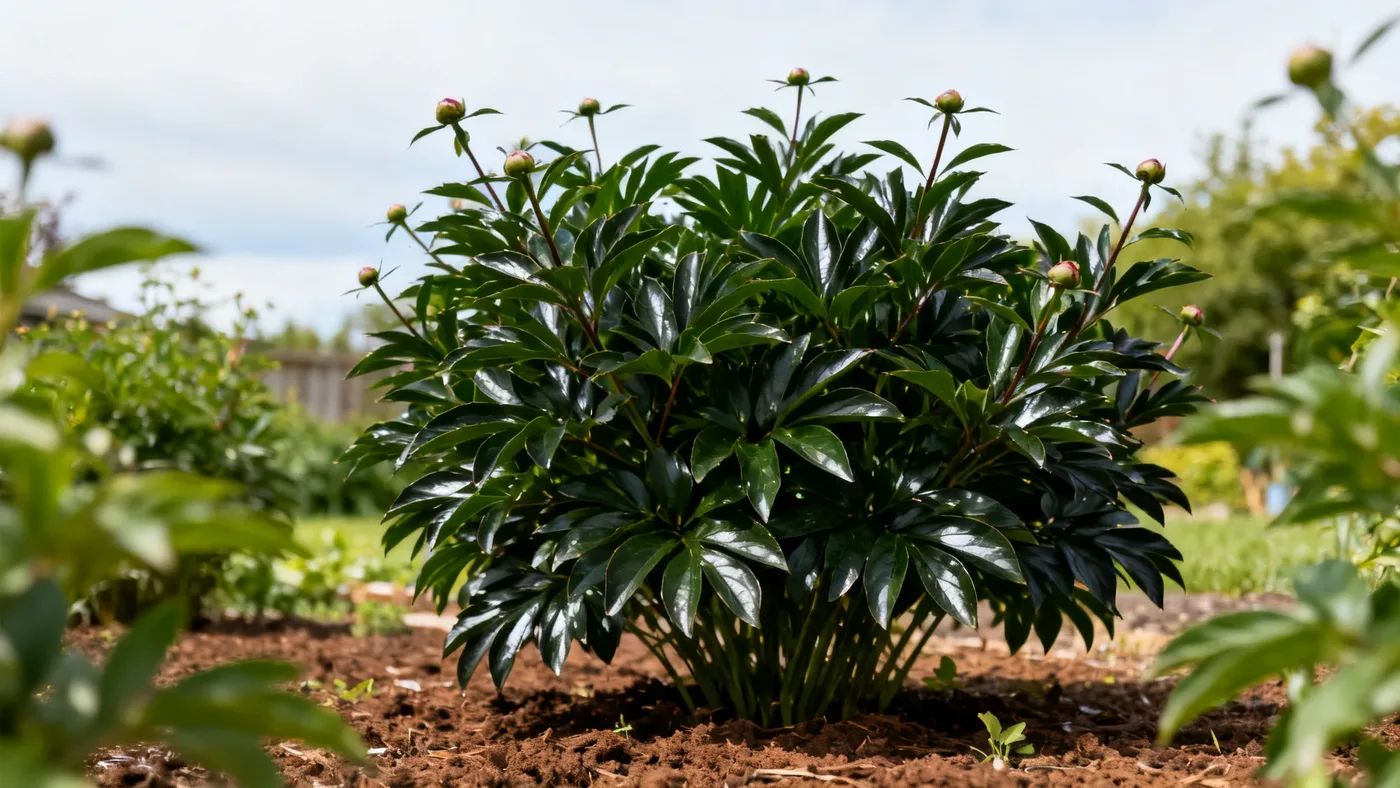
How to Water Karl Rosenfield Peony the Right Way
Karl Rosenfield Peony is a low-maintenance perennial once established, but watering during the first few seasons and the growing cycle matters more than most gardeners realize. The difference between healthy, blooming plants and struggling ones often comes down to consistent moisture without oversaturation. This guide walks you through exactly how to water Karl Rosenfield Peony from planting day through mature growth.
Why Proper Watering Matters for Karl Rosenfield Peony
Karl Rosenfield Peony thrives in well-drained loam and is intolerant of soggy soil. Too much water invites root rot and fungal diseases like Botrytis blight and peony wilt, which can kill a clump within weeks. Too little water stresses young plants and weakens bloom production.
The goal is to keep the root zone moist but never waterlogged. This is especially critical during the first 2 to 3 years after planting, when the plant is establishing its tuberous root system and building energy reserves for blooming.
Materials You'll Need
- A watering can or soaker hose
- A soil moisture meter (optional but helpful)
- A ruler or measuring tape
- Mulch (2 to 3 inches, kept back 2 inches from the crown)
- Well-draining garden soil or compost for soil amendment
Step-by-Step Watering Instructions
Step 1: Water immediately after planting. Whether you plant a bare-root division in fall or a container plant in spring, water the planting hole thoroughly until water drains from the bottom. This settles soil around the roots and removes air pockets. Apply water at the base, not over the foliage.
Step 2: Establish a consistent watering schedule during the first season. For the first growing season, water Karl Rosenfield Peony deeply about once per week. Aim to deliver 1 inch of water per week during active growth (spring through early summer). You can measure this with a rain gauge placed at the plant's drip line, or apply water for about 30 to 60 minutes with a soaker hose set to a slow trickle.
Step 3: Check soil moisture before watering. Push a finger 2 inches into the soil near the plant's base. If the soil feels dry at that depth, water. If it feels moist, wait another day or two. This simple check prevents overwatering and adapts to rainfall and local humidity.
Step 4: Water early in the morning. Apply water between 6 a.m. and 10 a.m., when the air is cool and foliage can dry quickly. Morning watering reduces fungal disease pressure compared to evening watering, which leaves leaves wet overnight.
Step 5: Direct water to the soil, not the leaves. Use a soaker hose or drip line to water the base of the plant. Avoid wetting the foliage. Wet leaves create ideal conditions for powdery mildew and leaf spot diseases, especially in cool, humid weather.
Step 6: Reduce watering as the plant matures. After 2 to 3 years, when Karl Rosenfield Peony reaches full size (28 to 36 inches tall and 24 to 36 inches wide), its deep root system becomes more drought-tolerant. Once established, you can water less frequently, relying on rainfall during the growing season and supplementing only if there is no rain for 2 to 3 weeks.
Step 7: Apply mulch to conserve moisture. Spread 2 to 3 inches of organic mulch (shredded bark, compost, or straw) around the plant base, but keep it 2 inches away from the crown. Mulch insulates soil, keeps it cooler, and reduces evaporation, meaning you may water less often as the plant matures.
Signs Your Karl Rosenfield Peony Needs Water
Recognizing drought stress early prevents damage to the plant's bloom cycle. Watch for these signs:
- Wilting or drooping foliage during the heat of the day (even if it recovers at night, the plant is under stress)
- Yellowing leaves, especially lower leaves
- Slow growth or smaller-than-expected new shoots in spring
- Buds that abort or fail to open
- Dry, hard soil that pulls away from the plant base
If you see these signs, water deeply at the base and monitor closely for the next few days. Young plants showing drought stress may not bloom well the following year, so consistent moisture during the first season is important.
Signs of Overwatering and How to Fix It
Overwatered Karl Rosenfield Peonies show different symptoms. The most common are fungal problems and root rot:
- Gray or brown fuzzy growth on buds or stems (Botrytis blight, a sign of cool, wet conditions)
- Soft, blackened stems at the soil line or wilting foliage even when the soil is wet
- A musty or rotten smell from the root zone
- Persistent yellowing leaves and stunted growth despite moist soil
How to recover: Stop watering immediately. Improve drainage by amending the soil with 2 to 3 inches of compost mixed into the top 6 inches around the plant. Consider planting the peony on a slight mound to lift it above standing water. Remove any affected foliage or stems with clean pruners. If root rot is advanced, you may need to dig and divide the clump, discard rotted portions, and replant healthy divisions in amended soil.
Prevention is far simpler than recovery. Always err toward the dry side once the plant is established, and never let Karl Rosenfield Peony sit in water for more than a few hours after heavy rain.
Seasonal Watering Schedule
Karl Rosenfield Peony's water needs vary by season. Here's what to expect:
| Season | When to Water | How Often | Notes |
|---|---|---|---|
| Spring (emergence through bloom) | As soon as shoots emerge | 1 inch per week during active growth, or when soil is dry 2 inches down | Highest water demand. Watch for Botrytis blight in cool, wet springs. Water early morning only. |
| Late Spring/Early Summer (May-June bloom) | During and after blooming | 1 inch per week if no rain | Peak watering need. Blooms are high-energy; consistent moisture supports good flower production. |
| Summer (post-bloom through July) | Maintain steady moisture | 1 inch per week or every 10 days if hot and dry | The plant stores energy in roots now. Do not let soil dry completely, but avoid waterlogging. |
| Late Summer/Fall | Reduce frequency as weather cools | Water only if no rain for 2-3 weeks, or soil is visibly dry | Plant is hardening off. Overwatering now invites fungal disease before dormancy. |
| Winter | Do not water (dormant) | N/A | Foliage dies back. The plant rests underground. Rain and snow provide needed moisture. |
Common Watering Mistakes to Avoid
Overhead watering: Sprinklers that wet the leaves increase disease pressure. Use a soaker hose or drip line to water the soil only.
Shallow, frequent watering: Daily light watering encourages shallow roots and fungal disease. Instead, water deeply once or twice per week to encourage deep rooting and drought tolerance.
Watering on a fixed schedule regardless of weather: If it rained 0.5 inches earlier in the week, you need only 0.5 inches more to reach 1 inch. Skip or reduce watering when rain is forecast or has recently fallen.
Ignoring drainage: If your soil is clay-heavy or drains poorly, amend it before planting. Karl Rosenfield Peony will not thrive in compacted or waterlogged soil, no matter how carefully you water.
Watering the crown or buds: Wet crowns rot. Always water at the soil base, at least 3 inches away from the stems.
Connecting Watering to Bloom Success
Proper watering is one part of a complete care routine. For comprehensive guidance on planting and long-term care, see our Karl Rosenfield Peony care guide. If your established plant is not blooming despite consistent watering, our article on why Karl Rosenfield Peony fails to bloom covers other potential causes, from crown depth to nitrogen overfertilizing.
Quick Reference Checklist
| Task | Frequency (First Year) | Frequency (Established) |
|---|---|---|
| Check soil moisture (2 inches down) | 2-3 times per week | Once per week or as needed |
| Water deeply to 1 inch per week | Once per week (or more in heat) | 1-2 times per week, or per rainfall |
| Inspect foliage for disease signs | Weekly, especially spring | Monthly during growing season |
| Apply mulch (2-3 inches) | After planting, in spring and fall | Top up each fall |
| Reduce watering after bloom | Late June onward | Late June onward |
| Stop watering (dormancy) | After first hard frost | After foliage dies back |
Bottom line: Karl Rosenfield Peony's needs are straightforward. Water young plants consistently to 1 inch per week during the growing season. Always water the soil, not the leaves. Let the plant dry somewhat between waterings. Once established (after 2 to 3 years), rely mostly on rainfall and supplemental watering only during dry spells. With this approach, your Karl Rosenfield Peony should develop a strong root system and reward you with reliable blooms year after year.