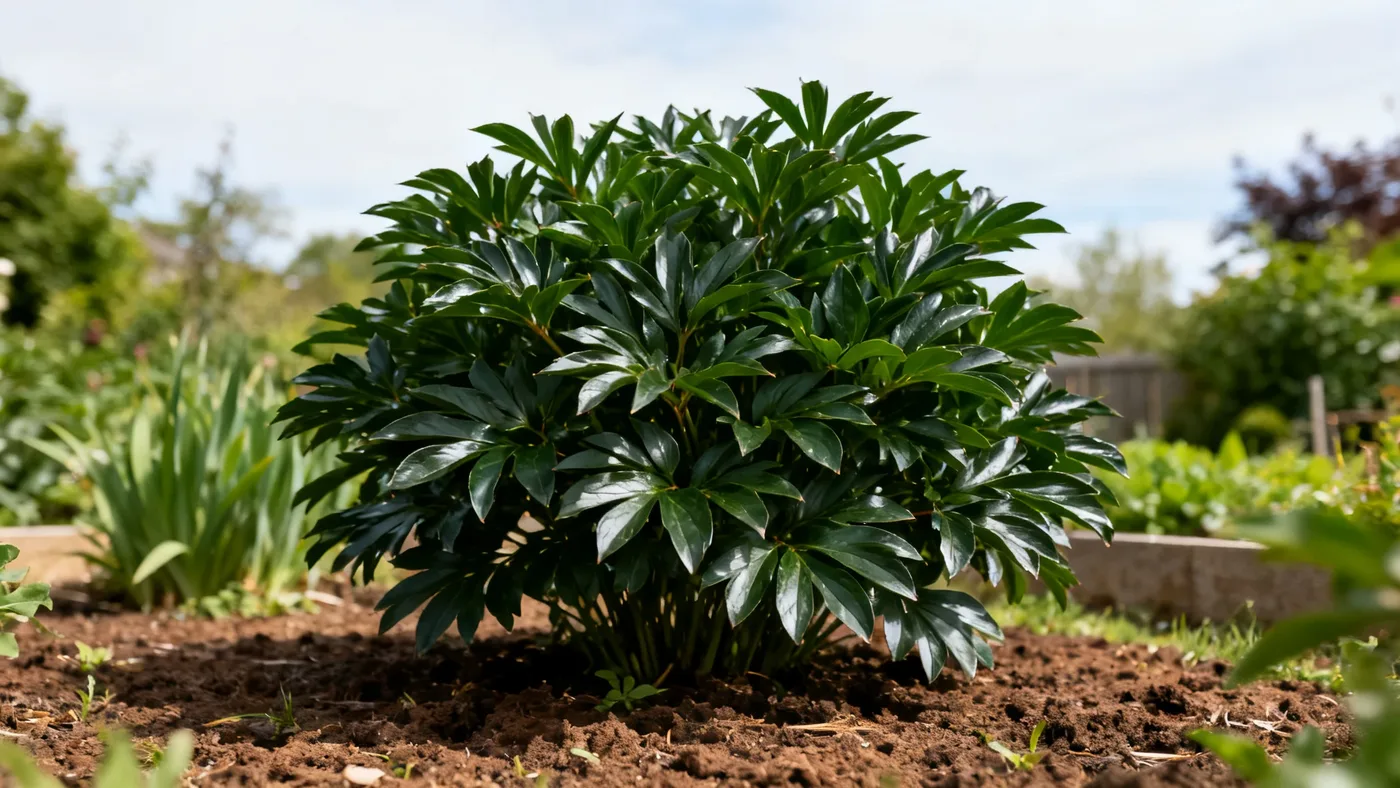
Karl Rosenfield Peony Hardiness Zones and Climate Needs
Planting Karl Rosenfield in a mild-winter yard and expecting the show you saw in a cold one is the mistake we hear about most. This deep crimson peony needs real winter cold. Without it, the plant lives on but skips its flowers, which is a long wait for nothing in a plant that can bloom for decades.
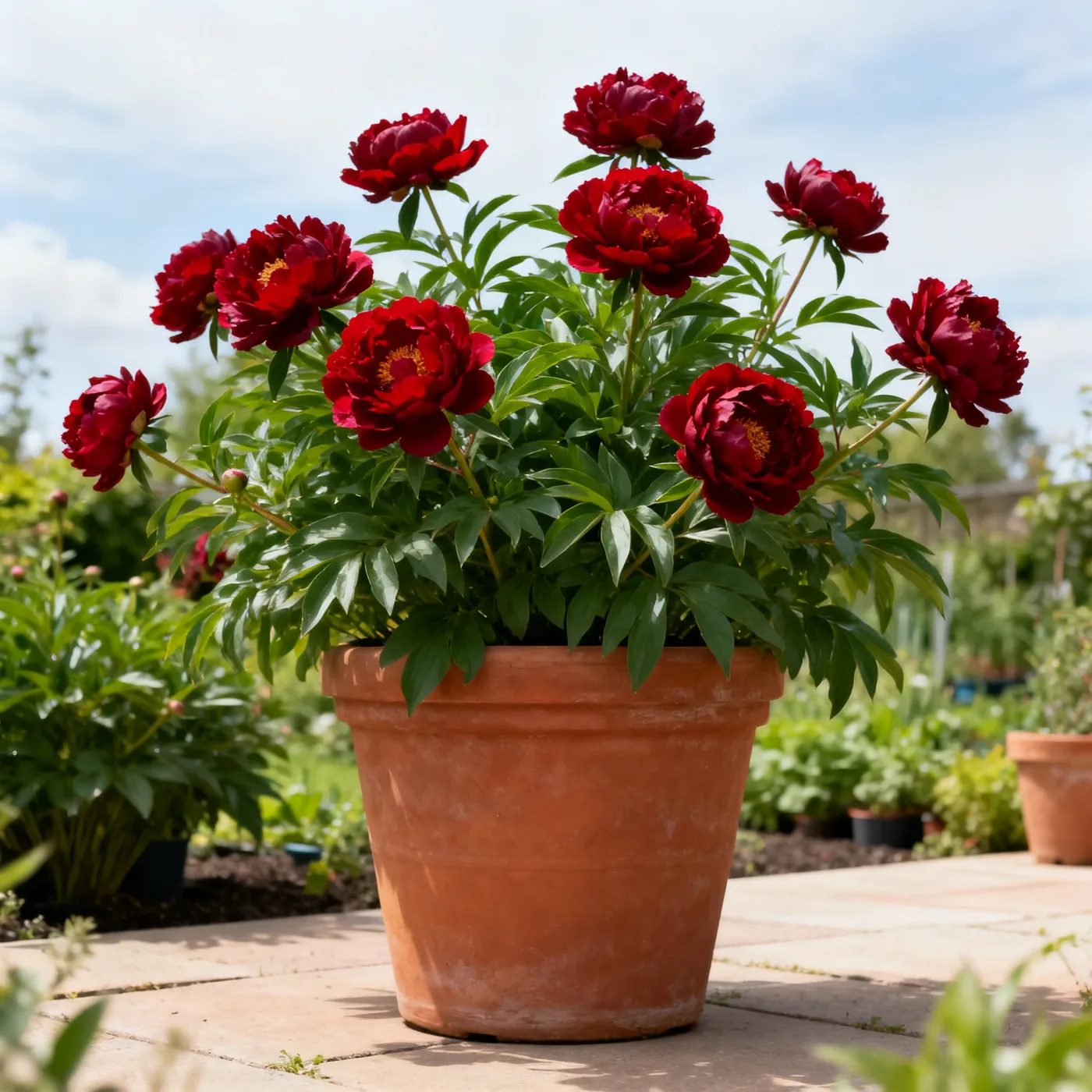
Get the climate right and it gives back big, deep red double blooms every late spring, plus armloads of cut flowers for the vase. Once settled, it asks for very little.
This article talks about hardiness zones, winter mulch, spring frosts, watering, summer heat, sun and soil, and answers the questions customers ask us most. Read on to learn where Karl Rosenfield will thrive in your yard and how to care for it through each season of the year.
Karl Rosenfield Peony Hardiness Zones and Winter Dormancy
Check your zone before you order. Karl Rosenfield is hardy in USDA zones 3 through 8. Herbaceous peonies as a group do best in zones 5–7 but can grow in zones 3–8, and this cultivar handles winter lows of minus 40°F in zone 3 without special protection.
Are Karl Rosenfield Peonies cold hardy?
Yes, Karl Rosenfield Peonies are exceptionally cold hardy and thrive in zone 3 winters without special protection. The tuberous root system is adapted to freeze-thaw cycles and actually requires winter dormancy to produce reliable blooms. As a herbaceous peony, it dies back to the ground each winter.
Do peonies need winter dormancy?
Yes, winter dormancy is essential for Karl Rosenfield Peonies to flower well. The plant's flower buds develop and chill during winter, and insufficient cold can weaken flowering significantly.
Can I grow Karl Rosenfield Peonies in zone 9 or warmer?
Karl Rosenfield Peonies are not recommended for zone 9 or warmer because they need sustained cold dormancy to bloom reliably. Without cold enough winters, the plant may survive but produce sparse or no flowers.
One of the most common questions we get is whether a zone 9 yard can make it work with a little extra effort. We tell customers no. Extra water and shade do not replace the winter chill the buds need.
Winter Mulch, Road Salt and Zone 3 Care
Cold zones need less from you than you might expect. Do the planting right once and winter mostly takes care of itself.
What special care do peonies need in zone 3?
Karl Rosenfield Peonies need very little special care in zone 3 beyond proper planting depth and basic maintenance. Simply plant the crown 1 to 2 inches below soil surface and apply light mulch after the first hard frost.
Do I need to mulch peonies over winter?
Light mulching after the first hard freeze is optional but can help protect young plants and newly planted divisions in zone 3. Spread a 2-inch layer of shredded leaves or compost over the root zone, and remove it in early spring so shoots can emerge.
We don't follow the advice to bury the crown under a thick winter blanket, and we don't plant deeper in cold zones either. Wet mulch piled against the crown holds moisture and invites rot. A crown set 1 to 2 inches deep is also what lets the buds chill properly.
Road salt and coastal sites
Karl Rosenfield Peonies have low salt tolerance and are not recommended for locations near roads treated with road salt or coastal areas with salt spray. If salt exposure is unavoidable, rinse foliage with fresh water in spring to remove salt residue.
Spring Bloom Time and Late Frosts for Karl Rosenfield
Spring is when the wait pays off. Here is what to expect from the flowers and how to protect them.
When do Karl Rosenfield Peonies bloom in different zones?
Karl Rosenfield Peonies bloom in late spring to early summer, typically from May through June, with exact timing varying by zone and local spring conditions. Zone 3 and 4 gardens usually see blooms in late May or early June, while zone 8 may bloom slightly earlier.
Peonies bloom in May or early June. Cut a few stems in bud, when they feel soft like a marshmallow, and bring them inside for a vase.
Will my peony bloom if I live in a zone 3 climate?
Yes, Karl Rosenfield Peonies bloom reliably in zone 3, typically in late May or early June depending on spring timing. The intense winter dormancy actually benefits blooming by chilling flower buds thoroughly.
Do late spring frosts kill peony buds?
A late spring frost can damage peony flower buds if it occurs after buds have begun to swell. However, peonies are resilient, and a single frost rarely eliminates all blooms for the season.
If frost is forecast after the buds swell, drape a sheet over the clump overnight and take it off in the morning. Set a hoop or stake in place in early spring too, because the heavy double blooms of Karl Rosenfield flop in rain.
Spring and Summer Watering by Climate
Water needs follow the growing season. Spring and early summer are when the plant asks for the most.
How much water do peonies need in different climates?
Karl Rosenfield Peonies need about 1 inch of water per week during active growth in spring and early summer. In cooler zones, established plants often rely on rainfall. In hot climates or during drought, supplemental watering is essential to maintain flowering. Water at the base and keep the foliage dry, since wet leaves invite fungal problems.
Are Karl Rosenfield Peonies drought tolerant?
Once established (typically after 2 to 3 growing seasons), Karl Rosenfield Peonies have moderate drought tolerance. However, they perform better with regular moisture, and drought stress can reduce flowering or weaken the plant over time.
Summer Heat and Sun for Karl Rosenfield
Summer is where the warm edge of the range shows. Zone 8 is the limit, and sun exposure matters more there.
Can Karl Rosenfield Peonies tolerate zone 8 heat?
Karl Rosenfield Peonies can be grown in zone 8, but they are at the warm edge of their ideal range. If you garden in zone 8, give them afternoon shade and consistent moisture during hot summers to prevent stress.
How much afternoon shade do peonies need in hot zones?
In zone 8 and other hot southern climates, Karl Rosenfield Peonies tolerate light afternoon shade, though flowering will be reduced compared to plants in full sun. Full sun remains the preferred condition, requiring 6 or more hours of direct sun daily.
What's the upper temperature limit for peonies?
Karl Rosenfield Peonies are rated for zone 8, where average minimum winter temperatures reach 10 to 20°F. Regions with hotter summers and milder winters (zone 9 and warmer) exceed the peony's heat and reduced-dormancy tolerance.
How much sun do Karl Rosenfield Peonies need?
Karl Rosenfield Peonies require full sun, meaning at least 6 hours of direct sunlight daily, for best blooming and vigor. Afternoon shade is only necessary in the hottest zones to prevent heat stress.
This cultivar does best in full sun. Pick the sunniest bed you have unless you are in zone 8.
Can I grow peonies in partial shade?
Karl Rosenfield Peonies will survive in partial shade but flowering is significantly reduced, and plants take longer to establish. For reliably strong blooms, prioritize a full-sun location.
You will read that peonies do fine in half shade. We don't follow that advice for Karl Rosenfield. In our rows, shaded clumps give leaves and few flowers.
Fall Planting: Soil, Drainage and pH for Karl Rosenfield
Fall is when we plant and tidy peonies. Once frost blackens the foliage, cut the stems to the ground, as we explain in when and how to prune Karl Rosenfield Peony. Then get the bed ready.
Why is well-drained soil critical for peonies?
Karl Rosenfield Peonies are intolerant of soggy or waterlogged soil, which can cause root rot and fungal diseases. Well-drained soil allows excess water to move through while retaining enough moisture for the plant's needs.
What soil pH do peonies prefer?
Karl Rosenfield prefers slightly acidic to neutral soil. Purdue says peonies thrive at pH 6.0–7.0, and most garden soils fall within or near that range, so special pH adjustment is rarely needed. Our soil, drainage and pH guide goes deeper on testing.
Can peonies grow in clay soil?
Pure clay soil is too heavy and retains too much water for peonies to thrive long-term. Amend heavy clay by mixing in 3 to 4 inches of compost, perlite, or coarse sand into the top 12 inches before planting.
Spacing and planting depth
Space plants 3 to 4 feet apart and set each crown 1 to 2 inches below the surface. We often see new customers plant too deep, and a buried crown makes leaves but no flowers. Our planting guide walks through each step.
Quick Reference: Climate and Growing Conditions
Use this table to check your site against what Karl Rosenfield needs.
| Climate Factor | Ideal Condition | Acceptable Range | Poor or Unsuitable |
|---|---|---|---|
| Hardiness Zone | 3-7 | 8 with afternoon shade | 9 or warmer (no reliable blooming) |
| Winter Cold | Zone 3 (minus 40°F minimum) | Zones 4-8 | Zones 9+ (insufficient dormancy) |
| Summer Heat | Zones 3-7 (cool to moderate) | Zone 8 with afternoon shade and water | Very hot zones without shade |
| Sunlight | 6+ hours full sun daily | Light afternoon shade in zone 8 | Partial shade or heavy shade |
| Soil Type | Fertile, well-drained loam | Amended clay or sandy loam | Soggy, waterlogged, or pure clay |
| Soil pH | 6.0-7.0 (slightly acidic to neutral) | Slightly outside range | Very acidic or very alkaline |
| Water (Active Growth) | Approximately 1 inch per week | Less once plant is established | Consistently waterlogged or very dry |
| Bloom Time | May-June (zone-dependent) | Late April to early July | No bloom (zone 9+ or insufficient cold) |
| Salt Tolerance | Avoid salt spray and road salt | Rinse foliage if exposed | Road salt or coastal salt exposure |
Karl Rosenfield Peony: Cold Winters, Long Rewards
Match the plant to your climate and the rest is easy. Give Karl Rosenfield a cold winter, a sunny spot, well-drained soil and steady spring water. A clump set in the right place can bloom for decades with little fuss. For ongoing care, see our Karl Rosenfield Peony care guide.
Karl Rosenfield Peony
Nursery-grown Karl Rosenfield Peony in sizes from 2 Gallon, shipped to your door.
From $62.95
Shop Now →Customers come back to us for Karl Rosenfield because the plants we grow on our own farms bloom true to that deep crimson color year after year. We are growers first, and we raise and sell only top-quality plants.