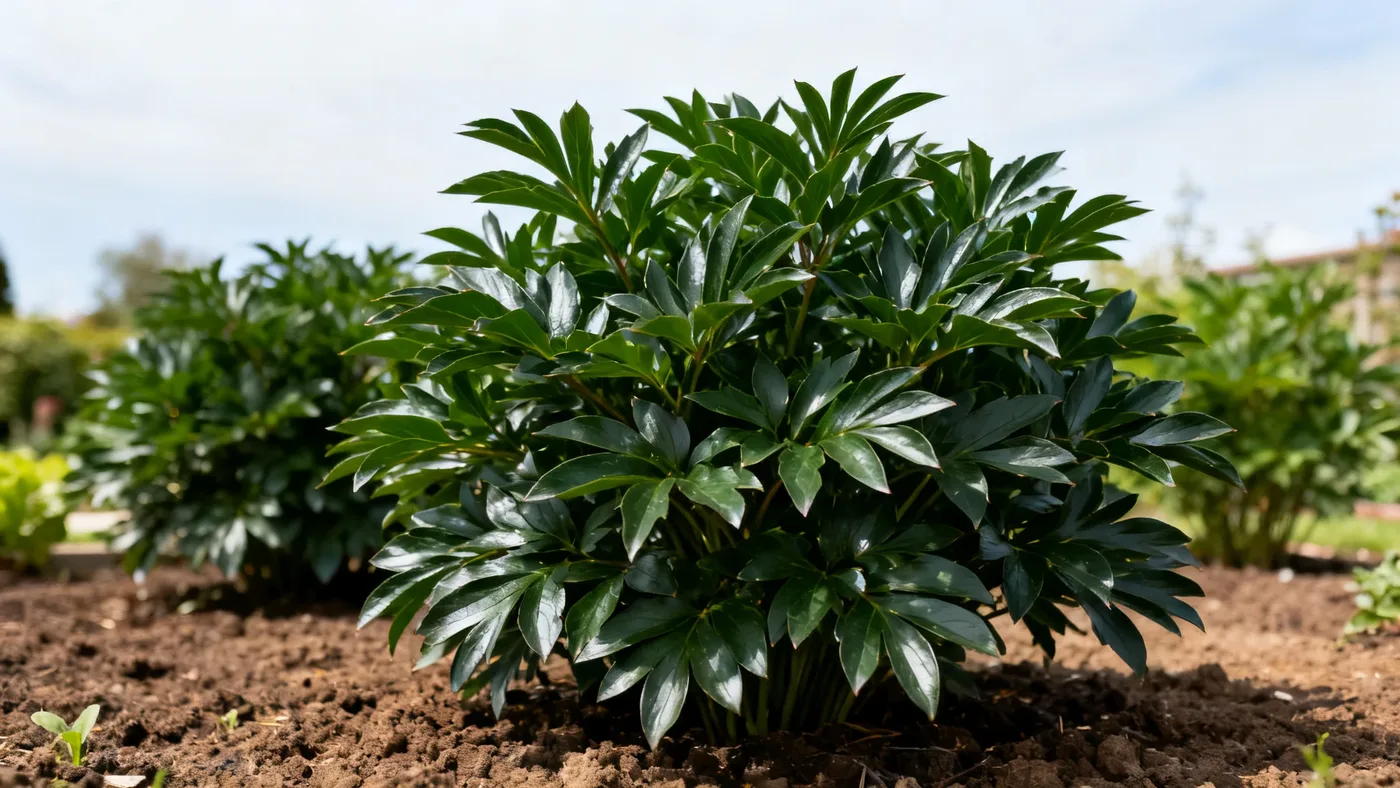
Karl Rosenfield vs Felix Crousse Peony: What's the Difference?
If you're shopping for a deep red peony, you've likely seen Karl Rosenfield and Felix Crousse mentioned together. Both are handsome red double peonies, both are reliable growers, and both bloom in late spring. Yet they're different enough that one will probably suit your garden better than the other.
The question isn't which is objectively superior. It's which one aligns with what you value in a peony: fragrance, ease of care, bloom character, or garden longevity. This comparison walks through the real differences so you can make an informed choice.
Side-by-Side Comparison Table
| Attribute | Karl Rosenfield | Felix Crousse |
|---|---|---|
| Flower Color | Deep red, crimson | Deep red |
| Fragrance | Light, mild | Strong, notably fragrant |
| Bloom Form | Double, full petals | Double, full petals |
| Bloom Time | Late spring to early summer (May-June) | Late spring to early summer |
| Hardiness Zones | 3-8 | 3-8 (typical for lactiflora) |
| Mature Height | 28-36 inches | Typically 28-36 inches |
| Mature Width | 24-36 inches | Similar spread |
| Spacing | 3-4 feet apart | 3-4 feet apart |
| Years to Full Bloom | 2-3 years to reach full potential | Similar timeline |
| Drought Tolerance | Moderate, once established | Similar |
| Deer Resistance | Good | Good |
| Lifespan | Decades (50+ years common) | Long-lived |
Karl Rosenfield Peony: Understated Performance and Low Maintenance
Karl Rosenfield was introduced in 1908 and remains one of the most planted red peonies in North America, and for good reason: it delivers consistent, beautiful results with minimal fussing.
What Karl Rosenfield Does Well
The defining strength of Karl Rosenfield is its light, mild fragrance. For some gardeners, this is exactly what they want. If you dislike strong floral scents, have family members bothered by perfume sensitivity, or simply prefer a peony that adds color without competing with other plants in the garden, Karl Rosenfield is your answer. The flowers are a deep, true crimson that holds color well and doesn't fade to muddy or brown tones as the bloom ages.
The plant itself is proportional and tidy. It grows to 28 to 36 inches tall with a mature width of 24 to 36 inches, which means it fits comfortably in most perennial borders without overwhelming companions. It reaches full mature clump size over about 3 to 4 growing seasons, so once you plant it, you're set for decades of reliable performance. Many gardeners report Karl Rosenfield plants thriving for 50 or more years with minimal intervention.
Care is straightforward and consistent. Plant in full sun (6 or more hours daily), well-drained loam, and a soil pH around 6.5 to 7.0. Water about 1 inch per week during active growth in spring and early summer. Once established, it tolerates moderate drought reasonably well. In late fall, after hard frost yellows the foliage, cut the stems back to a few inches above the ground. For complete planting and care details, see the Karl Rosenfield peony care guide.
The double blooms are full and dense, which means they hold their form well in bouquets and last a long time on the plant. The trade-off is that heavy double flowers can flop during rain or wind, and proper staking and pruning keeps them upright. Deer bypass it in favor of other plants, and it's hardy in zones 3 through 8.
Where Karl Rosenfield Asks More of You
The weight of the double blooms means you'll want to stake plants as they emerge or risk a sprawl of stems across the border after rain. Some gardeners find this minor; others see it as a seasonal chore. If you want zero maintenance, single or semi-double peonies require less staking.
The light fragrance, while an advantage to many, is a drawback to gardeners who plant peonies partly for their scent. If perfume in a cutting bouquet is what you're after, Felix Crousse delivers more robustly.
Felix Crousse Peony: The Fragrant Classic
Felix Crousse is another red lactiflora double that's been in cultivation for well over a century. It shares Karl Rosenfield's hardiness, growth pattern, and general cultural needs. The most obvious difference is fragrance, which is Felix Crousse's signature trait.
What Felix Crousse Does Well
If you plant peonies partly for their scent, Felix Crousse is the clear choice between these two. It produces a strong, sweet fragrance that carries through a garden on a warm spring day and fills a room from a single bouquet. For many gardeners, this is exactly why they choose it. The bloom color is a rich, deep red, comparable to Karl Rosenfield in garden impact.
Like Karl Rosenfield, Felix Crousse is a reliable, time-tested cultivar that thrives across zones 3 to 8 and reaches its full flowering potential over a comparable 2 to 3 year timeline. It's equally long-lived, equally deer-resistant, and equally happy in full sun and well-drained loam. The double bloom form is full and attractive, holding color and shape well in a vase or border. It's a no-drama performer that looks good year after year.
Where Felix Crousse Asks More of You
The strong fragrance, while an asset to perfume lovers, is a drawback for anyone sensitive to floral scents or for those designing a garden where fragrance matters. In a small courtyard or near an open window, Felix Crousse can fill that space with scent whether you want it or not. The double blooms are also prone to flopping after rain, just as Karl Rosenfield is, so staking is advisable.
Karl Rosenfield vs Felix Crousse: Attribute by Attribute
Fragrance: The Primary Dividing Line
Karl Rosenfield is light and mild. Felix Crousse is strong and notably fragrant. This is the single most important difference between them. If you want scent, choose Felix Crousse. If you prefer little to no fragrance, choose Karl Rosenfield. Many gardeners keep both in the garden for this reason alone.
Flower Color and Appearance
Both are deep red doubles. Karl Rosenfield's red is a true, slightly cool crimson. Felix Crousse's red is equally rich and may read with slightly warmer undertones depending on light and soil, though both are genuinely and handsomely red. Without both in bloom at the same time, most gardeners won't detect a meaningful color difference in the garden or in photographs.
Hardiness and Climate Fit
Both are hardy in zones 3 through 8. Both tolerate cold winters and warm summers similarly. Neither has an advantage here.
Size, Shape, and Garden Role
Both reach 28 to 36 inches tall with a similar width at maturity. Both spread to 24 to 36 inches. Both take about 3 to 4 seasons to reach full size. They fill the same niche in a border and pair well with the same companion plants: roses, bearded iris, catmint, salvia, and ornamental alliums.
Care Requirements
Both need full sun, well-drained loam at pH 6.5 to 7.0, and about 1 inch of water per week during active growth. Both are staked for the heavy double blooms. Both are cut back in late fall. Both thrive for decades with minimal division. No meaningful difference in care.
Lifespan and Long-Term Performance
Both are long-lived perennials that commonly persist 50 or more years in a garden with minimal intervention. Neither requires division to stay healthy, though you can divide either for propagation in fall if you want more plants.
Which Peony Should You Choose?
Choose Karl Rosenfield If:
- You want a red peony without strong fragrance. A subtle, beautiful flower that doesn't compete with other plants in the sensory experience of the garden.
- You or your family members are sensitive to strong floral scents or have allergies triggered by perfume.
- You're designing a cutting garden and want stems you can arrange without overwhelming a room.
- You prefer understated elegance and value the architectural beauty of the red blooms over perfume.
- You want a proven, reliable classic with zero surprises: plant it, water it, enjoy it for decades.
Choose Felix Crousse If:
- Fragrance is a priority in your garden plan. You plant peonies partly or wholly for their scent.
- You want perfume in bouquets: Felix Crousse fills a room from a single stem or small vase.
- You're creating a sensory garden where multiple plants contribute fragrance and you want the peony to pull its weight on that front.
- You appreciate the classic reputation and generations of gardeners who chose it for exactly its fragrant character.
- You like strong floral notes and want no subtlety in this particular flower.
If You're Still Undecided
Both are excellent peonies. Neither is objectively better. The real question isn't which cultivar wins in a side-by-side shootout, but which one aligns with your preferences, your garden's sensory design, and what you want from a peony. If fragrance doesn't matter to you, Karl Rosenfield is the lower-fuss choice. If fragrance is part of the appeal, Felix Crousse delivers unambiguously. And if you love peonies, there's no reason you can't plant both and compare them in your own garden over time.
Quick Reference: Karl Rosenfield vs Felix Crousse Peony
| Decision Factor | Karl Rosenfield | Felix Crousse | How to Choose |
|---|---|---|---|
| Fragrance Priority | Light and mild | Strong and fragrant | If scent matters, Felix Crousse wins. If you prefer subtle or no fragrance, Karl Rosenfield. |
| Cutting Garden Use | Good (low scent preserves space) | Excellent (fills room) | Depends on whether you want perfumed bouquets. |
| Hardiness | Zones 3-8 | Zones 3-8 | No difference; both work in your climate if you're in this range. |
| Mature Size | 28-36 in tall, 24-36 in wide | Similar | Tie; both fit typical perennial borders. |
| Time to Full Bloom | 2-3 years | Similar | Tie; both require patience; both reward it. |
| Care Demands | Minimal (sun, water, staking) | Minimal (sun, water, staking) | Tie; both are low-maintenance once established. |
| Longevity | 50+ years common | Decades of performance | Tie; both are lifetime investments. |
| Best For | Scent-sensitive gardens; subtle color focus | Fragrant focal points; perfumed bouquets | Match your priority: scent or no scent. |